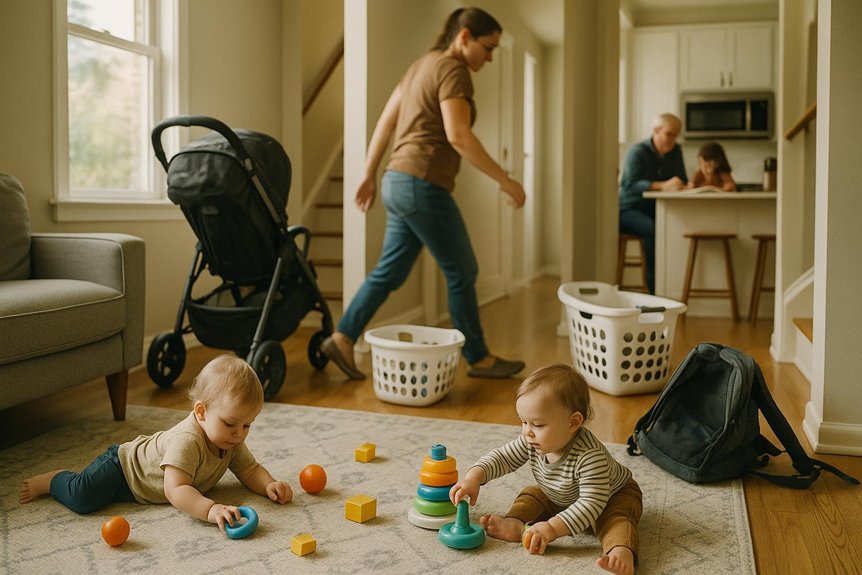
Have you ever felt like your home is slowly closing in on you? As your family grows, the emotional strain of cramped quarters can become overwhelming. The chaos can disrupt your daily life, leaving little room for peace or connection. Upsizing might be the answer, offering not just more space, but a renewed sense of harmony. Understanding how to approach this shift is essential—let’s explore the journey ahead.
Key Takeaways
- Cramped living spaces increase stress and frustration, disrupting family interactions and routines.
- Limited room fosters feelings of isolation, hindering social gatherings and personal connections.
- Upsizing offers designated areas for work and play, reducing daily stressors and improving overall well-being.
- Ample space enhances family dynamics, allowing for shared activities and stronger connections.
- A larger home promotes a nurturing environment, facilitating personal growth and better quality of life.
Recognizing the Signs That Your Home No Longer Fits

When you start feeling cramped in your own home, it’s often a clear sign that your living space no longer meets your needs. Overcrowded common areas can stifle family activities, while a growing family may require more personal space or additional amenities. If daily life feels inefficient, with bottlenecks in shared spaces, these are clear indicators that your quality of life is suffering. As needs change, frustration mounts, impacting your routines and family dynamics. Recognizing these signs is essential; staying in an unsuitable home only leads to wasted resources and missed opportunities for a more accommodating living environment.
Understanding the Emotional Toll of Limited Space
Living in a cramped space can greatly impact your emotional well-being, often leading to heightened stress and frustration. Limited space can create emotional challenges, especially when family members feel crowded and unable to engage comfortably. Disrupted routines in shared areas like kitchens and living rooms add to daily stress, while clutter contributes to a chaotic atmosphere, making relaxation difficult. Additionally, the inability to host gatherings can foster feelings of isolation, diminishing your quality of life. Recognizing these emotional tolls is the first step towards reclaiming your peace and exploring the freedom that comes with a more spacious home.
How Can Upsizing Enhance Family Life and Well-Being?
Upsizing your home can greatly enhance your family’s life by improving space utilization, which allows everyone to pursue individual interests while still coming together for shared activities. With more room, you’ll likely experience reduced daily stressors, as designated areas for work and play create a more organized environment. This transformation not only fosters stronger family connections but also promotes a healthier, happier lifestyle for everyone involved.
Improved Space Utilization
A larger home can dramatically enhance your family’s daily life by offering improved space utilization that caters to everyone’s needs. With a bigger home, you can create dedicated spaces like a home office or hobby area, promoting productivity and creativity. This organized environment reduces daily stress and fosters enhanced well-being, allowing each family member to thrive. Research shows that spacious living contributes to better sleep quality and lowered anxiety levels, greatly improving your quality of life. By upsizing, you’re investing in a nurturing atmosphere filled with meaningful decor, ultimately creating a harmonious space for family connection and personal growth.
Enhanced Family Connections
Creating a nurturing environment in a larger home naturally paves the way for enhanced family connections. With ample space for family activities, you can reduce feelings of crowding that often lead to stress. Dedicated areas for hobbies foster individual growth, contributing to better living conditions. Enhanced communal spaces improve interactions, allowing you to create lasting memories through shared experiences in comfortable surroundings. Upsizing can lead to improved routines and increased satisfaction with your living conditions, ultimately enhancing family communication and cohesion. By prioritizing these elements, you cultivate a supportive atmosphere where everyone thrives and feels connected.
Reduced Daily Stressors
When families shift to a larger home, they often discover significant reductions in daily stressors that enhance overall well-being. Ample space can create dedicated areas for work and leisure, allowing for smoother interactions and improved routines. No longer cramped in a single living room or facing bottlenecks at common areas, family members can move freely and efficiently. Enhanced living spaces foster a nurturing environment, promoting positive memories and emotional health. Additionally, a well-designed home often means better energy efficiency, lowering utility costs and easing financial worries, ultimately contributing to a more relaxed and harmonious family life.
Key Considerations When Planning to Upsize
As you consider upsizing your home, understanding the key factors involved can make the process smoother and more effective. Assess your current limitations and evaluate financial implications carefully. Research market conditions to inform your strategy, whether it’s a buyer’s or seller’s market. Prioritize family needs by exploring school districts and community amenities that support your lifestyle. Organize the sale of your current home with decluttering and repairs, ensuring clear communication with real estate professionals.
| Key Considerations | Importance | Action Steps |
|---|---|---|
| Current Limitations | High | Identify space issues |
| Financial Implications | Critical | Budget for hidden costs |
| Market Conditions | Moderate | Research trends |
| Family Needs | High | Explore amenities |
| Sale Organization | Essential | Declutter and repair |
Navigating the Financial Aspects of Moving to a Larger Home
Maneuvering the financial aspects of moving to a larger home requires careful consideration of both your current situation and the broader market landscape. Start by evaluating your current home’s value to understand how much equity you can leverage. When selling your current home, be mindful of hidden costs like closing fees and moving expenses that could impact your budget. Explore financing options that align with the 28/36 rule to guarantee stability. Working with a real estate professional can help you find a neighborhood that better suits your needs while maximizing your sale price for a smoother shift to your new space.
Creating a Smooth Transition to Your New Space
Shifting to a new space can be both thrilling and intimidating, so it’s essential to approach the process with a thoughtful mindset. Start by evaluating your emotional readiness; embrace the excitement and apprehension that come with change. Implement decluttering strategies to lighten your load, making it easier to select what truly matters. Lean on support systems—friends and family can ease the burden. Engage with your new community by attending local events to forge connections. Finally, focus on designing for comfort by personalizing your space with meaningful decor, creating an environment that nurtures your emotional well-being and helps you feel at home.
Frequently Asked Questions
How to Emotionally Let Go of Your House?
To emotionally let go of your house, cherish nostalgic memories and family connections. Embrace future possibilities, envision home improvements, and focus on new adventures that await, transforming your feelings into excitement for what’s next.
What Is the Best Age to Downsize Your Home?
The best age to downsize is around 60, aligning with retirement readiness. Consider family dynamics, financial benefits, and lifestyle changes for future planning, enabling more freedom and a fulfilling living experience as you embrace new opportunities.
What Emotions Are Downsizing Your Home?
Downsizing your home often stirs nostalgic memories, financial stress, and shifts in family dynamics. Embracing future plans and strengthening community ties can help you navigate these emotions, fostering a sense of freedom in your new chapter.
How Does Moving House Affect You Emotionally?
Moving house stirs home nostalgia and attachment issues, impacting family dynamics. You might feel stress, but embracing new beginnings and practicing stress management can transform this change into an opportunity for growth and connection.
Conclusion
Outgrowing your home doesn’t just mean needing more space; it means reclaiming your peace, rejuvenating your relationships, and rediscovering joy. By recognizing the signs, understanding the emotional toll, and embracing the benefits of upsizing, you can transform chaos into comfort. As you navigate the logistics and financial aspects, remember that a well-planned shift leads to a flourishing environment. In this journey, you’re not just moving; you’re enhancing your family’s well-being and enriching your life.